Define the customer profile
Specify countries, channel type, product applications and company size. Include exclusions, such as retailers that sell only to consumers.

Give international prospecting a clear direction with target countries, industries and company characteristics. Connect the original sources to an English draft and a practical follow-up plan.
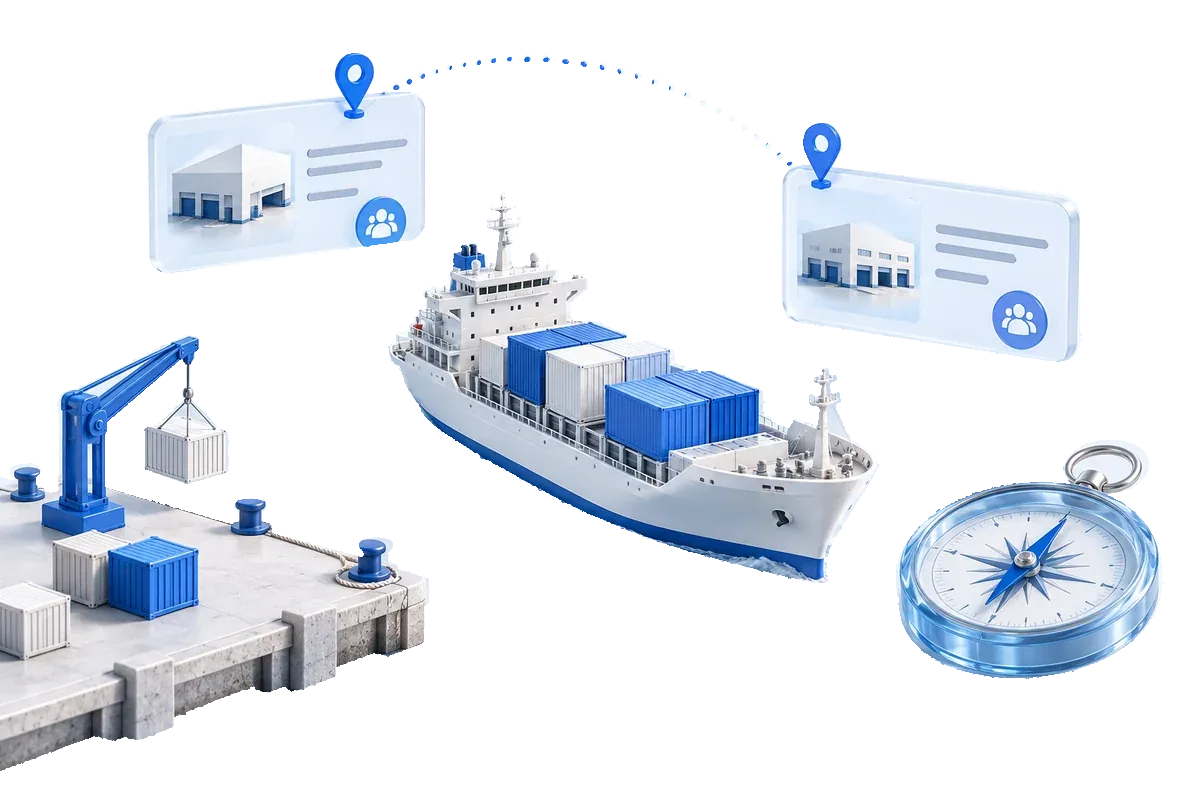
For manufacturers, exporters and teams selling to businesses overseas. For example, research US distributors of LED lighting instead of collecting every company that mentions lighting.
Specify countries, channel type, product applications and company size. Include exclusions, such as retailers that sell only to consumers.
Use configured search or maps connectors. Keep company websites and source links, then verify that each business operates in your target market.
Use verified business context to explain a possible reason to talk. Do not turn a model inference into a claim about current purchasing plans. Review the wording and recipient scope.
Record delivery results, the owner and the next action. Move genuinely interested companies into opportunities; an email open alone is not evidence of intent.
Configured connectors can include Serper and Google Maps. Company databases and social platforms depend on provider authorization, credentials and validation in your deployment.
Email drafting can support English outreach. Provide your product value, customer context and preferred tone, then check the language, facts and recipient before approving delivery.
Start with a clear market. Connect your research, outreach and team follow-up.
Existing users can sign in. New team access is provisioned by the deployment administrator.